Without This Protein, Damaged Muscle May Turn to Fat
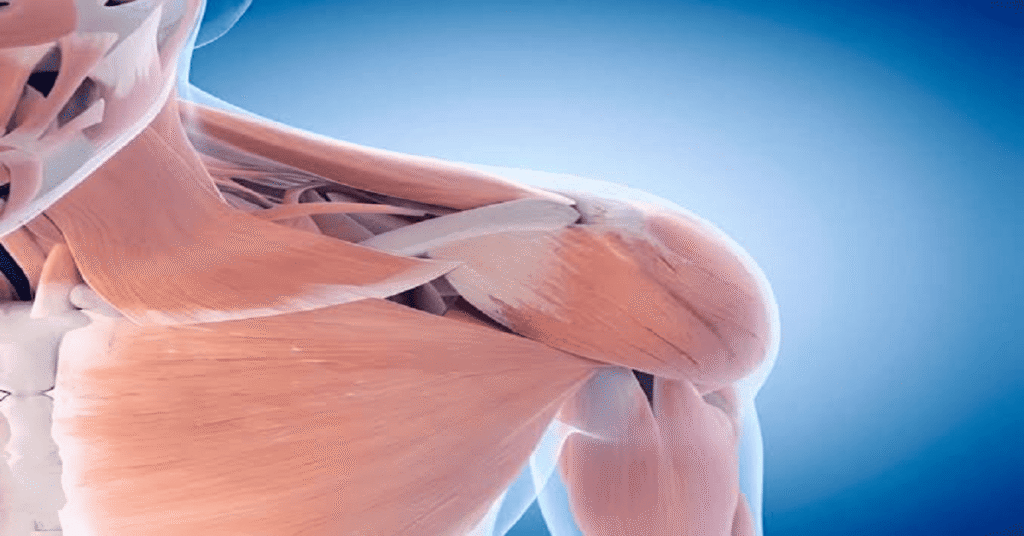
Muscle aging is one of the major biological changes associated with getting older. As people age, skeletal muscles gradually lose strength, size, and their ability to recover efficiently after injury. Scientists have therefore been studying the cellular and molecular systems that help muscles maintain themselves throughout life. One area receiving attention is TRF2 muscle stem cell research, which connects telomere biology, mitochondrial function, oxidative stress, and muscle aging.
TRF2, or telomeric repeat-binding factor 2, is a protein belonging to the shelterin complex. Shelterin protects the ends of chromosomes, known as telomeres, from being mistakenly recognized as damaged DNA. Researchers have discovered that TRF2 has functions extending beyond simple telomere protection, particularly in skeletal muscle cells.
Importantly, TRF2 research should not be confused with a currently available stem cell treatment. Most findings in this field are laboratory or animal studies, and researchers are still working to understand how these mechanisms could eventually contribute to therapies for age-related muscle decline and muscle diseases.
Recent studies have made the subject particularly interesting because TRF2 appears to influence mitochondrial health and cellular responses to stress. Research has also identified interactions between TRF2 and FOXO3a, a protein involved in cellular stress resistance and longevity pathways. These discoveries are helping scientists develop a more detailed picture of how muscle cells respond to aging.
What Is TRF2?
TRF2 stands for telomeric repeat-binding factor 2. It is one of the important proteins within the shelterin complex, a group of proteins associated with telomeres.
Telomeres are protective structures located at the ends of chromosomes. They help prevent chromosome ends from being incorrectly interpreted by the cell as broken DNA. When telomere protection is disrupted, cells can activate DNA damage responses, which can eventually affect cell survival, division, and tissue function.
TRF2 is particularly important because it helps maintain the structural protection of chromosome ends. However, researchers have discovered that its biological activity is more complicated than telomere protection alone.
Studies involving skeletal muscle have shown that changes in TRF2 can influence mitochondrial function and reactive oxygen species. This has expanded interest in TRF2 from traditional telomere research into the broader study of muscle aging and cellular metabolism.
Why Is TRF2 Important in Muscle Research?
Skeletal muscle is unusual because mature muscle fibers are long-lived and largely post-mitotic. Unlike many other cell types, mature muscle fibers do not continually divide.
This makes muscle a useful system for studying how cellular aging occurs even when cells are not constantly replicating.
Research has reported that TRF2 levels decline in human skeletal muscle over the course of life. In laboratory human myotubes, reducing TRF2 did not simply produce the expected telomere damage. Instead, it was associated with mitochondrial dysfunction, reduced SIRT3 expression, and increased reactive oxygen species. Restoring SIRT3 was able to rescue mitochondrial function in those experimental systems.
These findings suggest that TRF2 may connect chromosome-end biology with energy production inside muscle cells.
This is one reason TRF2 muscle stem cell research has attracted attention. Scientists are interested in whether pathways involving TRF2 could influence the environment in which muscle cells maintain themselves and respond to damage.
Understanding Muscle Stem Cells
Muscle stem cells are commonly called satellite cells or muscle satellite cells. They are specialized cells located around skeletal muscle fibers.
When skeletal muscle is injured, satellite cells can become activated. They multiply and produce cells that contribute to muscle repair and regeneration. Some satellite cells also return to a resting state, helping maintain the stem-cell population for future repair.
This regenerative ability is essential throughout life.
However, muscle regeneration becomes less efficient with age. Older muscle stem cells can show changes in activation, proliferation, differentiation, metabolism, and their interaction with the surrounding tissue.
Researchers therefore study both the muscle stem cells themselves and the molecular environment around them.
Telomeres are one part of this larger picture. A study examining individual muscle stem cells found that telomere characteristics can differ in diseased human and mouse skeletal muscle, demonstrating the importance of studying telomeres at the level of individual stem cells rather than only measuring average telomere properties across an entire tissue.
TRF2 and the Connection With Muscle Aging
One of the most interesting aspects of TRF2 research is its potential relationship with aging.
As organisms age, multiple cellular systems become less efficient. These include mitochondrial energy production, DNA repair, protein maintenance, cellular stress responses, and tissue regeneration.
TRF2 appears to sit at an intersection between several of these processes.
Research has found that TRF2 expression decreases in aging skeletal muscle. Scientists have also investigated what happens when TRF2 is reduced in muscle cells.
Rather than causing straightforward telomere failure, TRF2 reduction in skeletal muscle has been associated with mitochondrial dysfunction and increased oxidative stress. This suggests that the role of TRF2 in muscle aging may involve communication between telomeres, mitochondria, and cellular stress pathways.
This is an important distinction. It means that scientists are not simply asking whether longer telomeres produce healthier muscles. They are asking how telomere-associated proteins such as TRF2 communicate with other parts of the cell.
The TRF2-SIRT3 Connection
Mitochondria are often described as the energy-producing structures of cells. Muscle cells have especially high energy requirements because contraction requires substantial amounts of ATP.
SIRT3 is a mitochondrial protein involved in regulating mitochondrial function and metabolic processes.
Research into skeletal muscle has identified a TRF2-SIRT3 relationship. When TRF2 was reduced in experimental human muscle cells, SIRT3 expression decreased and mitochondrial respiration became impaired. Increasing SIRT3 was able to restore mitochondrial function in those experiments. Similar findings were observed in a mouse skeletal-muscle model.
This discovery provides an important clue for TRF2 muscle stem cell research because healthy mitochondrial function is important for many aspects of muscle biology.
Muscle stem cells also need to carefully control their energy metabolism as they transition between resting, proliferating, and differentiating states. Therefore, understanding mitochondrial regulation could eventually help researchers understand why regenerative capacity changes with age.
However, it would be premature to conclude that manipulating TRF2 or SIRT3 in humans will automatically increase muscle mass or reverse aging.
TRF2 and FOXO3a
Another major development in this research area involves FOXO3a.
FOXO3a is a transcription factor associated with stress responses, metabolism, cellular maintenance, and longevity-related pathways. Researchers have been interested in FOXO3a for many years because of its relationship with cellular resistance to stress.
A 2023 study published in Communications Biology investigated the relationship between TRF2, FOXO3a, and telomere protection in human skeletal muscle cells. The researchers found that reducing TRF2 in muscle cells increased mitochondrial dysfunction and reactive oxygen species, while FOXO3a became associated with telomeres and helped protect them from certain DNA damage responses.
The study suggested that FOXO3a can perform a non-canonical telomere-protective function under specific stress conditions.
In other words, FOXO3a may not only regulate genes involved in cellular stress responses. Under particular circumstances, it can also participate directly in protecting telomeres.
This finding adds another layer to TRF2 muscle stem cell research by showing that cells may have backup or complementary mechanisms for maintaining chromosome-end stability.
How Oxidative Stress Fits Into the Picture
Oxidative stress occurs when reactive molecules are produced at levels that can overwhelm cellular protective systems.
Mitochondria naturally produce reactive oxygen species as part of metabolism. Excessive oxidative stress, however, can affect proteins, membranes, DNA, and other cellular structures.
The relationship between TRF2 and oxidative stress appears to be particularly relevant in muscle.
When TRF2 was reduced in experimental human myotubes, mitochondrial dysfunction and increased reactive oxygen species were observed. Researchers subsequently found evidence that FOXO3a could respond to this situation and participate in telomere protection.
This suggests a possible sequence in which changes in TRF2 influence mitochondria, mitochondrial changes alter oxidative conditions, and cellular stress-response pathways become activated.
The exact biological consequences are complex and depend on the cell type and experimental conditions.
Does TRF2 Research Involve Stem Cell Therapy?
Not in the sense of an established clinical treatment.
The phrase TRF2 muscle stem cell research may sound as though TRF2-based stem cell injections are already available. Current research does not support that conclusion.
Most of the important findings involve laboratory cell models, molecular experiments, or animal models. Scientists use these systems to understand mechanisms before considering whether a discovery could become a treatment.
A major challenge is that manipulating telomere biology can have both potential benefits and risks. Telomeres are closely connected to cellular aging, DNA damage responses, and genome stability. Therefore, changing telomere-associated pathways needs to be approached carefully.
A therapy designed to improve cell survival or regenerative activity would need to demonstrate that it does not create unacceptable risks, including abnormal cell growth.
TRF2 and Muscle Regeneration
Muscle regeneration depends heavily on satellite cells. Following injury, these cells become activated and contribute to the repair process.
Aging can interfere with this process. Satellite cells may become less responsive to activation signals, while changes in the surrounding muscle environment can further reduce regeneration.
The relationship between TRF2 and muscle regeneration is therefore an emerging research question rather than a fully established therapeutic pathway.
Scientists are investigating whether age-related changes in telomere-associated proteins, mitochondrial function, oxidative stress, and cellular signaling contribute to declining muscle maintenance.
The broader field of muscle stem cell research is already exploring ways to restore youthful characteristics to aged satellite cells. These approaches include modifying signaling pathways, changing the cellular environment, improving metabolism, and studying factors that regulate stem-cell activation.
TRF2 may eventually become part of this larger network of targets.
TRF2 and Muscle Diseases
TRF2-related research may also have implications for muscle diseases.
One example comes from research involving Duchenne muscular dystrophy, a genetic disease that causes progressive muscle degeneration. Scientists have studied telomere biology in cardiomyocytes derived from human induced pluripotent stem cells carrying Duchenne muscular dystrophy mutations.
In that experimental model, increasing TRF2 helped prevent telomere shortening, improved cardiomyocyte characteristics, and increased cell survival.
These findings are interesting because they demonstrate that TRF2 can influence the behavior of disease-relevant human cells under laboratory conditions.
However, this does not mean that TRF2 is currently a treatment for Duchenne muscular dystrophy. Translating findings from cultured cells into safe and effective human therapies requires many additional stages of research.
Why Telomeres Matter to Stem Cells
Stem cells often need to maintain their ability to produce new cells over extended periods.
Telomere maintenance is therefore particularly important in many stem-cell populations.
At the same time, telomeres cannot be viewed in isolation. The shelterin complex, DNA damage signaling, cellular metabolism, oxidative stress, and tissue environment all influence cellular behavior.
Interestingly, research has shown that the requirement for TRF2 can differ between cell types. A study in mouse pluripotent embryonic stem cells found that TRF2 was dispensable for proliferation and survival under specific experimental conditions, with these cells using alternative mechanisms to protect telomeres.
This finding demonstrates why scientists cannot simply assume that increasing or decreasing TRF2 will have the same effect in every type of stem cell.
What Could Future TRF2 Research Investigate?
Future studies may explore several important questions.
First, researchers need to understand exactly how TRF2 changes during human muscle aging. Measuring TRF2 in different muscle-cell populations could reveal whether the protein changes differently in muscle fibers, satellite cells, and other supporting cells.
Second, scientists may investigate how TRF2 interacts with mitochondrial pathways. The TRF2-SIRT3 relationship suggests that chromosome-associated proteins can influence cellular energy systems.
Third, the connection between TRF2 and FOXO3a deserves additional investigation. The discovery that FOXO3a can protect telomeres under certain stress conditions provides a potential explanation for how muscle cells respond to TRF2 loss.
Fourth, researchers may investigate whether these pathways can be influenced without directly manipulating telomeres.
That could be important because a treatment targeting downstream metabolic or stress-response pathways might eventually prove easier to control than directly altering chromosome-end structures.
Could TRF2 Help Reverse Muscle Aging?
At this stage, there is not enough evidence to say that TRF2 can reverse human muscle aging.
The research is scientifically promising because it identifies connections between TRF2, mitochondria, oxidative stress, FOXO3a, and muscle-cell maintenance. But a laboratory discovery is not the same thing as a proven anti-aging treatment.
A future therapy would need to show that changing TRF2 produces meaningful improvements in muscle function, strength, regeneration, or disease outcomes.
Researchers would also need to establish appropriate dosing, delivery methods, long-term safety, and effects on other tissues.
This is especially important because telomere biology is closely linked to genome stability and cell proliferation.
Current Limitations of TRF2 Muscle Stem Cell Research
There are several limitations that should be considered when reading about this field.
Many experiments are performed using cultured cells. Cell culture allows scientists to manipulate specific pathways, but it does not reproduce the complete environment of a living human muscle.
Animal studies provide additional information, but differences between animals and humans can make translation difficult.
Another challenge is that muscle aging is not caused by one molecule. It involves changes in muscle fibers, satellite cells, nerves, blood vessels, connective tissue, hormones, metabolism, inflammation, and physical activity.
Therefore, TRF2 is unlikely to be a single explanation for muscle aging.
Instead, it may represent one component of a much larger biological network.
The Future of Muscle Stem Cell Research
Muscle stem cell research is moving toward increasingly detailed approaches that examine individual cells, molecular pathways, metabolism, epigenetics, and interactions between cells.
TRF2 fits naturally into this research because it connects several fundamental processes.
The discovery of TRF2-related effects on mitochondrial function suggests that telomere-associated proteins may influence much more than chromosome ends. The FOXO3a findings further demonstrate that cellular stress can activate alternative protective mechanisms in skeletal muscle cells.
Future research could determine whether these mechanisms change during normal aging, muscle injury, genetic muscle disorders, or prolonged periods of inactivity.
Researchers may also investigate whether combinations of approaches are more effective than targeting one pathway.
For example, future strategies could potentially involve improving muscle stem-cell function while simultaneously supporting mitochondrial health and reducing harmful cellular stress.
Such approaches remain experimental and require substantial evidence before they can become medical treatments.
Conclusion
TRF2 muscle stem cell research represents an interesting intersection of telomere biology, muscle regeneration, mitochondrial health, and aging research.
TRF2 is best known as a telomere-associated protein that helps protect chromosome ends. Research in skeletal muscle has shown that its functions can extend beyond traditional telomere protection. Changes in TRF2 have been linked with mitochondrial dysfunction, altered SIRT3 expression, and increased oxidative stress in experimental muscle models.
Research has also revealed an important relationship between TRF2 and FOXO3a. Under certain stress conditions, FOXO3a can associate with telomeres and provide additional protection in human muscle-cell models.
These discoveries do not yet establish TRF2 as a treatment for muscle aging or a clinically available stem cell therapy. Instead, they provide researchers with valuable clues about how muscle cells maintain their function and respond to age-related stress.
As scientists continue investigating muscle stem cells, telomeres, mitochondria, and cellular stress pathways, TRF2 may become an increasingly important part of the conversation about muscle health and regeneration.
FAQs About TRF2 Muscle Stem Cell Research
What is TRF2 in muscle research?
TRF2 is a telomere-associated protein that helps protect chromosome ends. In skeletal muscle research, scientists have also linked TRF2 with mitochondrial function, oxidative stress, and cellular aging.
What are muscle stem cells?
Muscle stem cells, commonly called satellite cells, are specialized cells that help skeletal muscles repair themselves after injury. They can activate, multiply, and contribute to the formation or repair of muscle fibers.
Why is TRF2 important for muscle aging research?
Research indicates that TRF2 levels decline in skeletal muscle with age. Experimental studies suggest that reduced TRF2 can affect mitochondrial function and oxidative stress, making it a potential component of the biological mechanisms involved in muscle aging.
Does TRF2 increase muscle mass?
There is currently no established evidence that increasing TRF2 in humans directly increases muscle mass. Research into TRF2 is primarily focused on cellular mechanisms and disease models.
Is TRF2 a stem cell treatment?
No. TRF2 is a protein studied in molecular and cellular biology. Research involving TRF2 should not be interpreted as evidence that TRF2-based stem cell treatments are currently available.
What is the connection between TRF2 and FOXO3a?
Research in human skeletal muscle cells found that when TRF2 was reduced, oxidative stress increased and FOXO3a became associated with telomeres. FOXO3a appeared to provide additional telomere protection under those experimental conditions.
What is the TRF2-SIRT3 relationship?
Studies have linked reduced TRF2 with lower SIRT3 expression and impaired mitochondrial respiration in experimental skeletal muscle cells. Restoring SIRT3 was able to rescue mitochondrial function in those models.
Could TRF2 research help treat muscle diseases?
Potentially, but more research is needed. Experimental work has investigated TRF2 in disease-related muscle and heart-cell models, including models of Duchenne muscular dystrophy. These results are promising but do not establish a human treatment.
Can TRF2 reverse aging?
There is currently no evidence that TRF2 can reverse human aging. Researchers are studying its role in cellular aging and muscle maintenance, but the findings remain experimental.
Is TRF2 muscle stem cell research clinically available?
No established TRF2-based therapy for muscle aging or regeneration is currently supported by the research discussed here. Most work remains at the laboratory and preclinical stages.
Why are telomeres important in muscle stem cell research?
Telomeres help protect chromosome ends. Because stem cells can undergo repeated cycles of cell division, researchers study telomere length and protection to understand how cellular aging and regenerative capacity may change over time.
What is the future of TRF2 muscle stem cell research?
Future research may focus on how TRF2 interacts with mitochondrial pathways, FOXO3a, oxidative stress, muscle stem cells, and age-related changes. Scientists will need to determine whether manipulating these pathways can produce meaningful and safe benefits in living organisms before clinical applications can be considered.

I am a professional content writer and SEO specialist with experience in creating well-researched, accurate, and user-focused content. I write about technology, business, finance, automotive, lifestyle, and trending news. My goal is to provide readers with reliable, up-to-date, and easy-to-understand information while following Google’s content quality and editorial best practices.