Cetirizine Recall Alert: Allergy Pills Found Contaminated With Wrong Drug
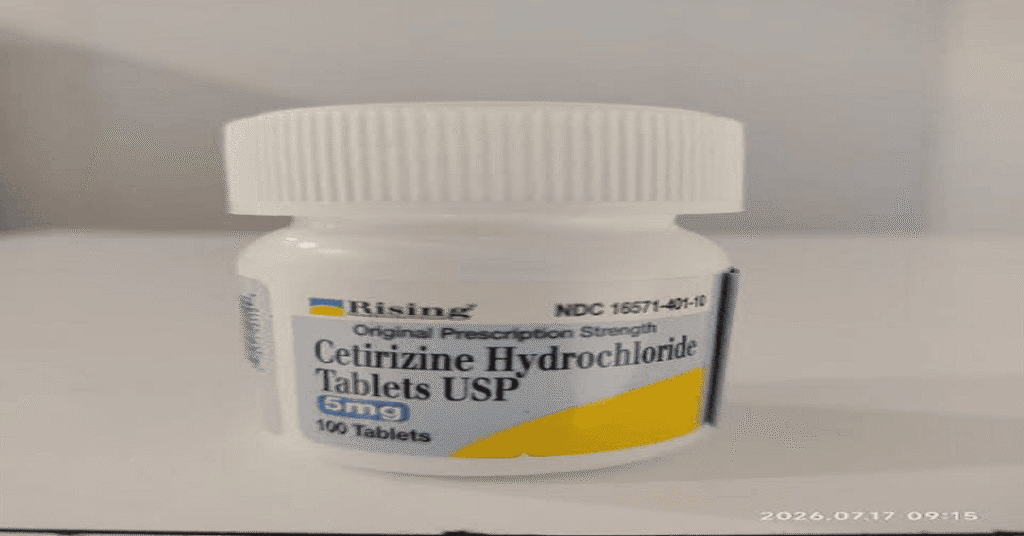
If a cetirizine recall impacts the product you use, do not panic. In most cases, there are several effective alternatives available for treating allergy symptoms. However, it is always best to consult a healthcare professional before switching medications, especially if you have chronic health conditions or take other prescription drugs.
Some commonly recommended alternatives include:
Loratadine
Loratadine is a non-drowsy antihistamine that helps relieve seasonal allergies, itching, and hives. It is often recommended for people who need allergy relief during the day without feeling sleepy.
Fexofenadine
Fexofenadine is another popular antihistamine that provides long-lasting relief from allergic reactions. It is considered less likely to cause drowsiness compared to some older allergy medications.
Levocetirizine
Levocetirizine is closely related to cetirizine and may be prescribed for individuals who require stronger allergy control. Because it is chemically similar, your healthcare provider can determine whether it is an appropriate replacement if a cetirizine recall affects your current medication.
Nasal Allergy Sprays
For people whose symptoms mainly involve nasal congestion or sneezing, steroid nasal sprays may be recommended instead of oral antihistamines. These products often provide excellent relief when used consistently.
Changing medications without professional advice is not recommended, especially if your allergy symptoms are severe or if you are taking medications for other medical conditions.
Side Effects of Cetirizine
Most people tolerate cetirizine well, which is one reason it remains one of the most commonly used allergy medicines worldwide. A cetirizine recall generally relates to manufacturing or quality issues rather than unexpected side effects.
Common side effects include:
- Mild drowsiness
- Dry mouth
- Fatigue
- Headache
- Dizziness
Less common but more serious reactions include:
- Difficulty breathing
- Swelling of the face or throat
- Severe skin rash
- Rapid heartbeat
- Allergic reaction to the medication itself
If any serious symptoms occur, seek immediate medical attention rather than assuming they are connected to a cetirizine recall.
How the FDA Monitors Medication Safety
The U.S. Food and Drug Administration continuously monitors medicines even after they are approved for public use. This ongoing surveillance helps identify problems that may not have appeared during clinical testing.
Manufacturers must follow strict quality standards throughout production. Inspections are conducted regularly, and companies are required to investigate customer complaints and manufacturing issues.
When inspectors discover contamination, labeling mistakes, packaging defects, or manufacturing failures, corrective action may be required. If necessary, the FDA works with manufacturers to issue a cetirizine recall for the affected lots.
Healthcare providers, pharmacists, and consumers also play an important role by reporting unexpected adverse events through official reporting systems.
How Pharmacies Handle a Cetirizine Recall
Retail pharmacies have established procedures for responding to recalled medications.
When a cetirizine recall is announced, pharmacies typically:
- Remove affected inventory immediately.
- Stop dispensing recalled batches.
- Notify patients when purchase records are available.
- Contact wholesalers and manufacturers.
- Arrange product returns.
- Replace medications when appropriate.
Many large pharmacy chains also maintain online recall information and customer support services to answer questions.
Can You Continue Taking Cetirizine During a Recall?
The answer depends entirely on whether your medication is included in the recall notice.
Many recalls involve only specific:
- Lot numbers
- Manufacturing dates
- Expiration dates
- Package sizes
- Production facilities
If your medication does not match the recalled information, healthcare providers generally advise continuing treatment as directed.
Stopping allergy medication suddenly can lead to the return of uncomfortable symptoms such as:
- Sneezing
- Runny nose
- Watery eyes
- Skin itching
- Chronic hives
Never discontinue prescription medications solely because you heard about a cetirizine recall in the news. Always verify whether your product is actually affected.
Preventing Problems When Buying Allergy Medicine
Consumers can reduce the likelihood of problems by purchasing medications from reputable sources.
Helpful recommendations include:
- Buy from licensed pharmacies.
- Avoid suspicious online sellers.
- Check expiration dates.
- Inspect packaging before use.
- Keep medications in their original containers.
- Store medicines according to label instructions.
- Follow dosage recommendations carefully.
These simple habits improve medication safety regardless of whether a cetirizine recall has been announced.
Why Accurate Recall Information Matters
False information spreads quickly on social media, especially regarding medications. Rumors about a cetirizine recall can create unnecessary anxiety if they are not based on official announcements.
Before sharing recall information, verify it using reliable sources such as:
- FDA announcements
- Manufacturer press releases
- Licensed pharmacists
- Healthcare providers
Relying on verified information helps prevent confusion and ensures patients make informed decisions.
What to Discuss With Your Doctor
If you believe your medication may be affected by a cetirizine recall, prepare a few questions before speaking with your healthcare provider.
You may want to ask:
- Is my medication included in the recall?
- Should I stop taking it?
- Is there a safer replacement?
- How long should I wait before starting another medicine?
- Are my allergy symptoms likely to worsen if treatment changes?
- What warning signs should I watch for?
Having this discussion can help you continue managing allergies safely and effectively.
The Future of Medication Safety
Advances in pharmaceutical manufacturing continue to improve the safety and quality of medications. Better testing technologies, automated production systems, and stricter quality controls reduce the risk of contamination and manufacturing defects.
Regulatory agencies around the world also collaborate more closely than ever before, allowing recalls to be identified and communicated quickly.
Although occasional recalls are inevitable in a complex manufacturing environment, improved oversight means that problems are often detected before they affect large numbers of consumers.
Conclusion
Searching for information about a cetirizine recall is understandable, especially if you or a family member relies on this medication for allergy relief. Fortunately, most recalls are precautionary measures designed to protect consumers rather than indications that every cetirizine product is unsafe.
If a recall occurs, verify whether your medication matches the affected lot numbers or manufacturing details. Follow the guidance provided by the manufacturer, pharmacy, or healthcare provider, and avoid making treatment changes based solely on social media posts or unverified reports.
Cetirizine remains one of the most widely used antihistamines for seasonal allergies, allergic rhinitis, and chronic hives. Staying informed through reliable sources and understanding how recalls work can help you continue using medications safely and confidently.
Frequently Asked Questions
1. What is a cetirizine recall?
A cetirizine recall is the removal of specific batches of cetirizine products from the market because of manufacturing, labeling, packaging, or quality concerns.
2. Is every cetirizine product recalled?
No. Most recalls affect only certain lot numbers or manufacturing batches. Other products remain safe to use.
3. How can I check whether my medicine is included in a cetirizine recall?
Compare the lot number, expiration date, and manufacturer on your package with the official recall notice or ask your pharmacist.
4. Should I stop taking cetirizine immediately?
Only if your medication is included in the recall or your healthcare provider instructs you to stop taking it.
5. What should I do with recalled cetirizine?
Follow the recall instructions, which may involve returning the product to the pharmacy or disposing of it safely according to the manufacturer’s guidance.
6. What are good alternatives if a cetirizine recall affects my medication?
Common alternatives include loratadine, fexofenadine, levocetirizine, or other treatments recommended by your healthcare provider.
7. Are medication recalls common?
Drug recalls occur periodically as part of ongoing quality monitoring and help protect public health by removing affected products from circulation.
8. Where can I find official information about a cetirizine recall?
You can check announcements from the U.S. Food and Drug Administration, the product manufacturer, your pharmacist, or your healthcare provider for the most accurate and up-to-date information.

I am a professional content writer and SEO specialist with experience in creating well-researched, accurate, and user-focused content. I write about technology, business, finance, automotive, lifestyle, and trending news. My goal is to provide readers with reliable, up-to-date, and easy-to-understand information while following Google’s content quality and editorial best practices.