Trump Leaves China After Historic Summit With Xi and Putin
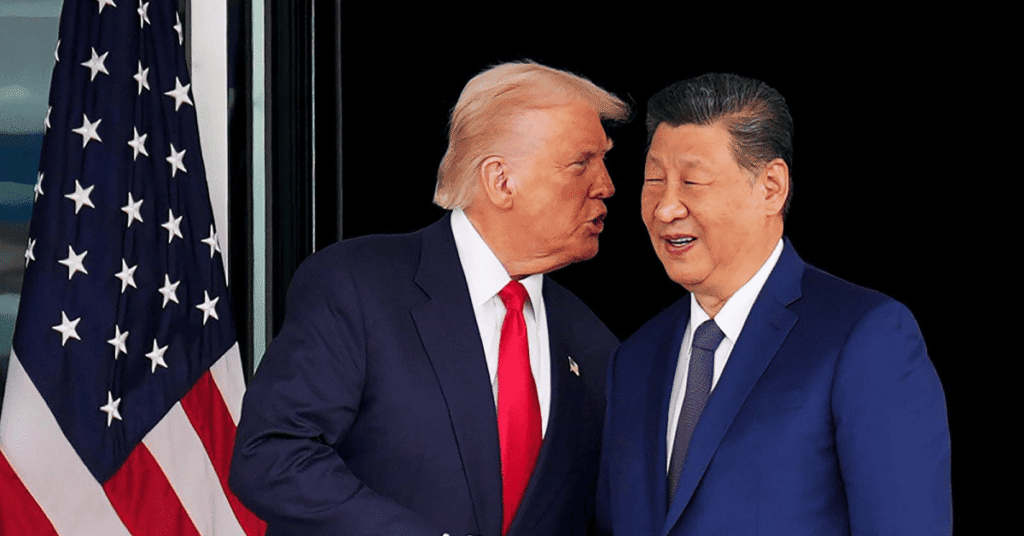
The Trump-Xi summit has become one of the most important diplomatic developments in international politics in 2026. The meeting between US President Donald Trump and Chinese President Xi Jinping has attracted worldwide attention because decisions made by these two leaders can influence global trade, technology, international security, financial markets, and political relationships.
The United States and China are the world’s two most influential economic powers. Although both countries depend on international trade, they have experienced disagreements over tariffs, technology restrictions, rare-earth minerals, Taiwan, artificial intelligence, and national security. These disagreements have created uncertainty for businesses, investors, manufacturers, and governments worldwide.
In November 2026, Trump and Xi met in Shenzhen, China, during the Asia-Pacific Economic Cooperation (APEC) summit. Their discussions followed earlier diplomatic meetings and attempts to maintain a temporary trade agreement between Washington and Beijing.
The latest Trump-Xi summit was particularly important because both leaders wanted to maintain communication while protecting their countries’ economic and strategic interests. Although the meeting created opportunities for cooperation, it did not resolve every major disagreement.
This article explores what happened during the summit, the major issues discussed, its impact on international relations, and what the world can expect from the United States and China in the coming months.
What Is the Trump-Xi Summit?
The Trump-Xi summit refers to high-level diplomatic meetings between US President Donald Trump and Chinese President Xi Jinping. These meetings provide an opportunity for the leaders to discuss important bilateral and international issues.
The relationship between the United States and China is complicated because both countries cooperate economically while competing strategically.
The United States wants to protect its technological leadership, strengthen domestic manufacturing, maintain its influence in the Indo-Pacific region, and secure access to important resources. China, meanwhile, wants to expand its international influence, protect its economic interests, develop advanced technologies, and maintain control over issues it considers essential to national sovereignty.
The Trump-Xi summit provides a platform for addressing these disagreements through direct communication rather than allowing tensions to increase without diplomatic engagement.
Their discussions generally focus on several important areas:
- International trade and tariffs.
- Technology competition and artificial intelligence.
- Rare-earth minerals and critical resources.
- Taiwan and regional security.
- Military communication.
- International conflicts and energy security.
- Economic cooperation and investment.
The November 2026 meeting was especially significant because it followed several diplomatic engagements earlier in the year.
Trump and Xi Meet in Shenzhen in November 2026
President Donald Trump travelled to China in November 2026 to participate in APEC-related diplomatic events. One of the most closely watched moments was his meeting with Chinese President Xi Jinping in Shenzhen.
The meeting attracted international attention because it demonstrated that both governments wanted to maintain direct communication despite ongoing disagreements.
According to reporting published after the visit, Xi personally welcomed Trump at Shenzhen airport, creating a significant diplomatic moment. The leaders also participated in a historic trilateral meeting involving Russian President Vladimir Putin.
The summit was not limited to ceremonial appearances. Discussions included trade, artificial intelligence, energy supplies, critical minerals, and broader international security concerns.
However, the meeting did not produce a major public breakthrough on the most difficult trade issues. Instead, both countries continued discussions and looked toward the next diplomatic opportunity.
The Center for Strategic and International Studies reported that the November meetings were significant for diplomatic symbolism but produced limited immediate progress on several major economic disagreements.
CSIS+1
Why Was the Trump-Xi Summit Important?
The Trump-Xi summit matters because decisions made by Washington and Beijing can affect countries far beyond their borders.
The United States and China are deeply connected through international supply chains. American companies depend on Chinese manufacturing, while Chinese businesses rely on international markets, technology, investment, and consumers.
When the two countries introduce tariffs or restrict exports, the effects can spread across multiple industries.
For example, restrictions on semiconductor technology can influence computer manufacturers, artificial intelligence companies, automobile producers, and electronics businesses.
Similarly, limitations on rare-earth mineral exports can create difficulties for companies manufacturing electric vehicles, batteries, renewable energy equipment, and advanced military systems.
The summit was therefore important for three major reasons.
1. Preventing Another Trade War
One of the biggest priorities was preventing another escalation in the US-China trade conflict.
Both countries have previously introduced tariffs and trade restrictions that increased costs for businesses and created uncertainty in global markets.
A stable trade relationship would benefit manufacturers, exporters, importers, and consumers.
2. Maintaining Diplomatic Communication
Regular communication between Trump and Xi can help prevent misunderstandings.
When disagreements arise over Taiwan, technology, or military activities, direct communication becomes particularly important.
3. Protecting Global Economic Stability
Investors and international businesses closely monitor US-China relations.
A major disagreement between the two countries could affect financial markets, manufacturing operations, commodity prices, and international investment decisions.
Trade and Tariffs: The Biggest Issue Between the US and China
Trade remains one of the most important subjects in discussions between Trump and Xi.
The United States has repeatedly raised concerns about China’s manufacturing capacity, market access, trade practices, and the competitive position of American businesses.
China, on the other hand, wants predictable access to international markets and opposes restrictions that it considers unfair.
The September 2026 Washington meeting had already produced an extension of the existing trade truce by two months. This arrangement was intended to provide additional time for negotiations.
The November Shenzhen meeting did not resolve all outstanding questions. Reports indicated that the two governments postponed important trade discussions until the December G20 meeting in Miami.
Some of the major trade-related concerns include:
- Import tariffs on Chinese products.
- American agricultural exports to China.
- Chinese exports of rare-earth minerals.
- Access to international manufacturing markets.
- Technology-related trade restrictions.
- Investment rules and supply-chain security.
On November 25, 2026, the United States proposed additional tariffs of up to 20% on certain Chinese goods following an investigation into excess industrial capacity. This development demonstrated that trade tensions remained active even after diplomatic engagement.
china-briefing.com+1
The future of the trade relationship will depend on whether both governments can reach an agreement that addresses their economic concerns without creating another major trade conflict.
Artificial Intelligence and Technology Competition
Artificial intelligence has become another major subject in the relationship between the United States and China.
Both countries are investing heavily in AI research, semiconductor manufacturing, advanced computing, and other emerging technologies.
The United States wants to maintain its leadership in advanced semiconductor technology. American policymakers have also raised concerns about the potential use of advanced computing systems in military applications and national security activities.
China, meanwhile, is working to develop its own semiconductor industry and reduce dependence on foreign technology.
During their September 2026 Washington meeting, Trump and Xi agreed to establish a US-China artificial intelligence dialogue. The purpose was to exchange views on the risks and benefits of AI and establish communication channels for AI-related incidents.
The November summit provided another opportunity to discuss technological competition and possible cooperation.
Why Is AI Important to Both Countries?
Artificial intelligence is influencing several major industries, including:
- Healthcare and medical research.
- Financial services and banking.
- Automotive manufacturing.
- Military and defence technology.
- Education and digital services.
- Robotics and industrial automation.
Both governments understand that leadership in AI could provide significant economic and strategic advantages.
However, disagreements over semiconductor exports, technology transfers, data security, and investment restrictions remain difficult to resolve.
A stable communication system could help both countries manage technological risks while avoiding unnecessary escalation.
Taiwan and Regional Security
Taiwan remains one of the most sensitive issues in US-China relations.
China considers Taiwan part of its territory and opposes moves toward formal independence. The United States maintains unofficial relations with Taiwan and provides defensive support under its existing legal framework.
This disagreement creates the possibility of serious diplomatic and military tensions.
For China, Taiwan is closely connected to national sovereignty and territorial integrity. For the United States, Taiwan is important to regional stability, security partnerships, and the balance of power in the Indo-Pacific.
During diplomatic discussions, Beijing has repeatedly encouraged Washington to handle Taiwan-related matters carefully.
The issue is difficult because neither government wants an accidental military confrontation, but both have important strategic interests.
Why Does Taiwan Matter to the Global Economy?
Taiwan plays an important role in the global semiconductor supply chain. Advanced chips manufactured there are used in smartphones, computers, vehicles, data centres, and AI systems.
Any serious disruption around Taiwan could affect international manufacturing and technology companies.
It could also influence shipping routes, investment decisions, and global financial markets.
Although the November Trump-Xi summit helped maintain diplomatic communication, Taiwan remains an unresolved strategic issue.
Rare-Earth Minerals and Critical Resources
Rare-earth minerals are another important part of the US-China economic relationship.
These materials are used in modern technologies, including electric vehicles, wind turbines, smartphones, defence equipment, batteries, and advanced electronics.
China has a significant position in the global rare-earth processing industry. This gives Beijing considerable influence over international supply chains.
The United States wants to reduce its dependence on Chinese supplies by developing alternative sources, increasing domestic processing capacity, and building partnerships with other countries.
However, creating new supply chains takes time and requires substantial investment.
During the November discussions, access to rare-earth materials remained an important American concern. Washington wanted China to improve the pace and level of supplies under existing arrangements.
The issue is particularly important because manufacturers need predictable access to these materials to maintain production.
If export restrictions become stricter, companies could experience higher production costs and delays.
For this reason, the future of rare-earth trade will remain an important part of negotiations between the two countries.
The Role of Russia and the Trilateral Meeting
One notable development during Trump’s November China visit was the trilateral meeting involving Trump, Xi Jinping, and Russian President Vladimir Putin.
The meeting attracted significant attention because it brought together leaders of three major global powers.
According to reports, discussions included nuclear weapons reduction and international security concerns.
The United States has expressed concerns about the growth of China’s nuclear arsenal and wants Beijing to participate in broader discussions about nuclear stability.
Russia also remains an important factor in international security because of its nuclear capabilities and ongoing geopolitical tensions.
The trilateral meeting was significant from a diplomatic perspective, but expectations for a major agreement were limited.
A meeting involving three leaders does not automatically mean that their countries share the same objectives.
The United States, China, and Russia have different security priorities, economic interests, and international relationships.
Nevertheless, direct communication among these governments could create opportunities to discuss nuclear risks, military communication, and international stability.
What Did Trump and Xi Achieve During Their Meetings?
The results of the November summit should be understood carefully.
Although the leaders demonstrated a willingness to maintain communication, the meeting did not deliver a comprehensive solution to every major disagreement.
Some important developments included:
1. Continued diplomatic engagement
Both governments maintained direct communication and discussed a framework for managing their relationship.
2. Trade negotiations continued
The leaders did not resolve every outstanding trade issue. Important discussions were expected to continue at the December G20 meeting.
3. AI remained an important discussion area
Artificial intelligence and technology competition continued to feature prominently in bilateral discussions.
4. Rare-earth supplies remained a concern
The United States continued to seek more reliable access to critical minerals from China.
5. International security discussions expanded
The trilateral meeting with Vladimir Putin brought nuclear security and other international concerns into the diplomatic conversation.
These developments suggest that the summit was more about maintaining stability than reaching a complete settlement.
CSIS+2
How Could the Trump-Xi Summit Affect the Global Economy?
The economic importance of the Trump-Xi summit extends beyond the United States and China.
Many countries depend on Chinese manufacturing, American technology, and international supply chains.
When Washington and Beijing experience serious disagreements, businesses in other regions can also face difficulties.
Impact on International Trade
A stable trade relationship could help reduce uncertainty for international exporters and importers.
However, new tariffs could increase the cost of products and affect businesses that depend on cross-border manufacturing.
Countries such as India, Vietnam, Japan, South Korea, and several European economies could experience both opportunities and challenges.
Some companies may move manufacturing operations to alternative countries to reduce their dependence on US-China trade.
Impact on Technology Companies
Technology companies are particularly sensitive to changes in export controls and semiconductor policies.
Restrictions on advanced chips, AI equipment, and manufacturing technology can affect product development and investment.
Companies may need to redesign supply chains or find alternative suppliers.
Impact on Financial Markets
Investors closely follow diplomatic developments involving the world’s largest economies.
Positive developments could improve market confidence, while new trade restrictions could increase uncertainty.
Industries such as electronics, automobiles, artificial intelligence, energy, and manufacturing may be particularly sensitive to changes in US-China relations.
What Does the Trump-Xi Summit Mean for India?
The developments between the United States and China are also important for India.
India has economic, diplomatic, and strategic relationships with both countries. Changes in US-China relations can influence India’s trade opportunities, manufacturing sector, technology industry, and foreign policy decisions.
1. Manufacturing Opportunities
If American companies want to reduce their dependence on Chinese manufacturing, India could attract additional investment.
Industries such as electronics, automobiles, pharmaceuticals, textiles, and semiconductor manufacturing may benefit from supply-chain diversification.
2. Technology and Semiconductor Development
India is working to strengthen its semiconductor ecosystem.
Changes in international technology policies could create opportunities for Indian companies to participate in global manufacturing and technology supply chains.
3. International Trade
India could benefit from improved access to international markets if global businesses diversify their suppliers.
However, new trade restrictions and changing tariff policies could also create challenges for Indian exporters.
4. Strategic Relationships
India maintains important partnerships with the United States while also managing its relationship with China.
Developments involving Washington and Beijing could influence regional security discussions and India’s diplomatic priorities.
The November summit does not automatically change India’s position, but it provides an important indication of how the relationship between the two global powers may develop.
Challenges That Could Affect Future US-China Relations
Despite several diplomatic meetings in 2026, the relationship between the United States and China remains complicated.
There are multiple reasons why future negotiations may face difficulties.
Different Economic Priorities
The United States wants to protect domestic industries and maintain its technological advantage.
China wants to preserve its manufacturing strength and expand its global economic influence.
These priorities can create disagreements over tariffs, investment, and market access.
Technology Restrictions
Semiconductor export controls and AI competition are difficult issues because both countries consider advanced technology important to national security.
Military and Security Concerns
Taiwan, the Indo-Pacific region, and military communication remain sensitive subjects.
Even a small misunderstanding could create diplomatic complications.
Domestic Political Pressure
Both leaders face expectations from their domestic political audiences.
In the United States, lawmakers and businesses have different views about trade and China policy. In China, national sovereignty and economic development remain important political priorities.
These pressures can make compromise more difficult.
What to Expect From the Next Trump-Xi Meeting?
The next important diplomatic opportunity is expected to come during the December 2026 G20 Leaders’ Summit in Miami.
Both leaders have expressed an interest in continuing their engagement, and the December meeting could provide another opportunity to address unresolved trade and economic questions.
Several issues are likely to remain important:
- Whether the existing trade truce will be extended.
- Whether China will increase purchases of American agricultural products.
- Whether rare-earth mineral supplies will become more predictable.
- Whether both countries can establish clearer rules for technology competition.
- Whether discussions on AI and international security will produce practical outcomes.
The upcoming discussions will be important because the current diplomatic stability remains fragile.
According to recent reporting, the trade truce is expected to remain an important subject of negotiations, while analysts believe another meeting may focus more on maintaining stability than announcing major agreements.
Investing.com+1
Will the Trump-Xi Summit Improve US-China Relations?
The Trump-Xi summit has demonstrated that both governments recognise the importance of maintaining communication.
However, improved diplomatic relations do not necessarily mean that the countries will stop competing.
The United States and China will probably continue competing in areas such as artificial intelligence, semiconductor manufacturing, international trade, defence, and regional influence.
At the same time, both countries have strong reasons to avoid a serious economic or military confrontation.
American companies need stable international supply chains, while Chinese manufacturers depend on global markets and international economic relationships.
This creates an opportunity for cooperation even when political disagreements remain.
The most realistic expectation is that the two countries will continue managing their differences through negotiations rather than achieving a complete resolution in the short term.
Conclusion
The November 2026 Trump-Xi summit in Shenzhen was an important diplomatic development for the United States, China, and the wider international community.
The meeting highlighted the importance of trade negotiations, artificial intelligence, rare-earth minerals, Taiwan, and international security. It also demonstrated that both leaders remain interested in maintaining direct communication despite their countries’ strategic competition.
However, the summit did not resolve all the major disagreements between Washington and Beijing. Trade tensions, technology restrictions, and regional security concerns remain important challenges.
For India and other developing economies, the developments could create new opportunities in manufacturing, international trade, and technology.
The next major diplomatic opportunity will be the December 2026 G20 meeting in Miami. Its outcome could provide a clearer picture of whether the United States and China are moving toward a more stable economic relationship.
Ultimately, the future of US-China relations will depend on whether both countries can balance competition with practical cooperation.
Frequently Asked Questions (FAQs)
1. What is the Trump-Xi summit?
The Trump-Xi summit is a high-level diplomatic meeting between US President Donald Trump and Chinese President Xi Jinping. The leaders discuss international trade, tariffs, technology, artificial intelligence, Taiwan, security, and economic cooperation.
2. Where did Trump and Xi meet in November 2026?
Donald Trump and Xi Jinping met in Shenzhen, China, during the November 2026 APEC-related diplomatic events. Their discussions focused on trade, technology, international security, and bilateral relations.
3. What were the main topics discussed during the Trump-Xi summit?
The major topics included US-China trade relations, import tariffs, rare-earth minerals, artificial intelligence, semiconductor technology, Taiwan, energy security, and international cooperation.
4. How could the Trump-Xi summit affect India?
The summit could indirectly influence India through international trade, manufacturing investment, semiconductor development, and supply-chain diversification. Improved US-China relations may also create opportunities for Indian businesses.
5. When will Trump and Xi meet again?
The next expected opportunity for another meeting is the December 2026 G20 Leaders’ Summit in Miami, where both leaders are expected to continue discussions on trade and bilateral relations.

I am a professional content writer and SEO specialist with experience in creating well-researched, accurate, and user-focused content. I write about technology, business, finance, automotive, lifestyle, and trending news. My goal is to provide readers with reliable, up-to-date, and easy-to-understand information while following Google’s content quality and editorial best practices.